
"coffee bean countries"
40000 article(s) found

Introduction of Uganda Coffee grading Uganda Manor and description of its Flavor characteristics
Uganda, located at the source of the Nile, is a landlocked country in Africa that does not rely on the sea. Although Uganda has a long history of producing coffee like other East African countries, the quality of coffee has never been improved because of the war caused by ethnic antagonism. Most of the good coffee is grown in areas adjacent to Kenya, and some good coffee beans are shipped to Kenya to be sold as Kenyan coffee until the war stopped 15 years ago.

Coffee Development History of Rwanda Coffee Culture of Rwanda Coffee Origin of Rwanda
The country mainly produces coffee the country opens the international road with the coffee industry in Rwanda coffee production in Rwanda: there are about 33000 hectares of coffee plantations in Rwanda and 500000 people are engaged in the coffee industry. With good natural conditions of high altitude and fertile volcanic soil, the country's fertile soil and suitable climate contribute to plant growth, and coffee trees seem to be driven or driven.

Description of Costa Rican coffee flavor with clear flavor introduction to the taste of fine coffee beans in the producing area
Tarrazu in Costa Rica is one of the major coffee producing areas in the world. The coffee produced is light and pure in flavor and pleasant in aroma. Costa Rica, with its fertile volcanic soil and good drainage, is the first country in Central America to grow coffee and bananas for commercial value. Coffee and bananas are the country's main exports. In 1729, coffee was introduced from Cuba to Goth.

South American producing countries introduced by the world coffee producing countries
Brazil Brazil is the first coffee producer and marketer in the world. The annual output of coffee beans exceeds 30 million bags (60 kilograms each). Coffee experts do not think highly of their beans, saying that they are too monotonous, bitter, sour and fragrant enough, and are not even included in the list of producing areas of fine coffee. Because most of the Brazilian coffee gardens are less than 1200 meters above sea level, there are no big trees to shade, and they are picked.

Which coffee producing countries are the main coffee producing countries?
Coffee trees are very similar to laurel and usually grow between the Tropic of Cancer and the Tropic of Cancer. A coffee tree usually grows for about three to four years before it begins to bear fruit. The fruit is a red berry, which is dried and the pulp is removed to separate the coffee beans. There are shadows of coffee beans all over the world, and they can grow as usual as long as the climate is right. These are suitable for cultivating coffee.

Boutique coffee bean producing countries introduce coffee from Rwanda
Since the 1920s, Arabica coffee grown in Rwanda has been famous for its unique fruit sweetness and rich grass aroma. In recent years, the Rwandan government has taken positive measures to vigorously promote coffee production, set up coffee production cooperatives in various places, and give technical guidance and financial support to farmers, so that coffee production has made considerable progress. From Rwanda.

Characteristics of Costa Rican Coffee beans introduction of Costa Rican coffee beans
Tarrazu in Costa Rica is one of the major coffee producing areas in the world. The coffee produced is light and pure in flavor and pleasant in aroma. Costa Rica, with its fertile volcanic soil and good drainage, is the first country in Central America to grow coffee and bananas for commercial value. Coffee and bananas are the country's main exports. In 1729, coffee was introduced from Cuba to Goth.
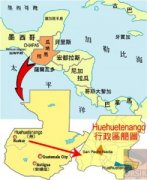
Individual coffee beans Central America Guatemala coffee beans
Guatemalan coffee (Guatemala Coffee), Guatemala coffee beans. Guatemalan coffee is produced in the The Republic of Guatemala countries of northwestern Central America. The mountain forest area of the country accounts for 2/3 of the country's area, and it is rich in high-quality coffee beans. Guatemalan coffee beans belong to bourbon coffee beans, which are sour, mellow and slightly wild.

A brief introduction to the Origin, Development, History and Culture of Fine Coffee beans in Fenghuang Manor
Coffee was introduced into Costa Rica from Cuba in 1729. Today, its coffee industry is one of the well-organized industries in the world, with a yield of 1700 kg per hectare. Costa Rica has only 3.5 million people but 400m coffee trees, and coffee exports account for 25 per cent of the country's total exports. The volcanic soil of Costa Rica is very fertile and well drained, especially in the central part.

A brief introduction to the market price of pure slightly sour Salvadoran boutique coffee beans
The eastern part of the country was most affected by guerrilla warfare, and many farmers and workers were forced to leave the manor. The shortage of funds has led to a sharp drop in coffee production, from 1200 kg per hectare in the past to less than 900kg per hectare today. In addition, the government imposed an additional 15% tariff on exported coffee in 1986, that is, an additional 15% in addition to the existing 30% tax. Taxes, together with unfavorable
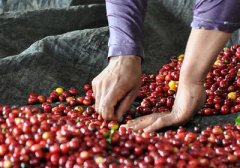
An introduction to the Ecuadorian Coffee Hassanda Coffee Garden, known as the "Equatorial country".
Most countries in the world are rich in only one kind of coffee beans, while Ecuador is one of the few countries in the world that can produce both Arabica coffee beans and Robusta coffee beans. The Ecuadorian Coffee tasting, sponsored by the Consulate of Ecuador in Guangzhou, was recently held at the Art Cafe in the Guangdong Provincial Museum. Gaoshandou joining the rose is so amazing in 2014.

Costa Rican coffee beans origin Costa Rican coffee beans origin Boutique coffee
Full-bodied particles, ideal acidity, unique and intense aroma. Tarrazu, Costa Rica, is one of the world's leading coffee producers, producing coffee with a light, pure flavor and pleasant aroma. Costa Rica's volcanic soils are fertile and well drained, making it the first country in Central America to grow coffee and bananas for commercial value. Coffee and bananas are the country's staple foods.

Characteristics of Costa Rican coffee beans the origin of Costa Rican coffee beans
Tarrazu in Costa Rica is one of the major coffee producing areas in the world. The coffee produced is light and pure in flavor and pleasant in aroma. Costa Rica, with its fertile volcanic soil and good drainage, is the first country in Central America to grow coffee and bananas for commercial value. Coffee and bananas are the country's main exports. In 1729, coffee was introduced from Cuba to Goth.

Latin American coffee rookie boutique coffee beans Salvadoran coffee
El Salvador, a name that may not be very familiar to coffee lovers, is beginning to emerge quietly in the world of boutique coffee (Specialty Cxxx). El Salvador, a beautiful small country with volcanoes, is the smallest country in Central America, with an area of only more than 20, 000 square kilometers and a population of 5.6 million.
Washed Tibica Coffee beans in Yonggas Town, La Paz County, Bolivia _ Bolivian Coffee Flavor
Professional coffee knowledge exchange more information about coffee beans please follow Coffee Workshop (Wechat official account cafe_style) Bolivia is a landlocked country in South America and a member of the Union of South American Nations. Neighboring countries include Brazil, Peru, Chile, Argentina and Paraguay. The legal capital is Sucre, but the actual seat of government is La Paz, which is above sea level.

Common sense of coffee bean producing countries in several African coffee producing countries
1. Kenya Kenya grows high-quality Arabica coffee beans, which absorb almost the essence of coffee cherries, with a slightly sour, thick aroma, and are very popular among Europeans, especially in the United Kingdom. Kenyan coffee surpassed Costa Rican coffee and became one of the most popular coffee. With aromas of wine and flowers, the texture is full, small and round, because

Flavor description of Salvadoran coffee beans introduction to the varieties of grinding scale by taste treatment
El Salvador is one of the small countries in Central America with a dense population. The flavor of its coffee is characterized by excellent balance. Today, this coffee accounts for 40% of the country's exports. 35% of the extra hard beans of the best coffee are exported to Germany from January to March. In the early 1990s, guerrilla warfare greatly damaged the country's national economy and increased coffee production from the 1970s.

Boutique single coffee beans Central America Guatemala coffee beans
Guatemalan coffee (Guatemala Coffee), Guatemala coffee beans. Guatemalan coffee is produced in the The Republic of Guatemala countries of northwestern Central America. The mountain forest area of the country accounts for 2/3 of the country's area, and it is rich in high-quality coffee beans. Guatemalan coffee beans belong to bourbon coffee beans, which are sour, mellow and slightly wild.

Introduction of Salvadoran coffee beans the origin of Salvadoran coffee beans production of Salvadoran coffee beans
Unique, mild-tasting coffee. ElSalvador is one of the small countries in Central America with a dense population. The flavor of its coffee is characterized by excellent balance. Today, this coffee accounts for 40% of the country's exports. 35% of the extra hard beans of the best coffee are exported to Germany from January to March. In the early 1990s, guerrilla warfare greatly damaged the country's national classics.

Style Bright Costa Rican Yelsalo Fine Coffee Bean Flavor Taste Aroma Characteristics Description
Tarrazu in Costa Rican coffee is one of the world's major coffee producing areas, producing coffee with a light, pure flavor and pleasant aroma. Tarasu is located south of the country's capital, San Jos, and is one of the country's most prized coffee plantations. La Minita Tarrazu coffee is locally famous, but production is limited, about